
FAQ About Cloud Inventory Software | Cloud Inventory Management Solutions
The Role of Inventory Management Systems in Multi-Location Operations
What is an Inventory Management System?
An inventory management system is an important tool for businesses that deal with physical goods. It is designed to track inventory levels, orders, sales, and deliveries. By utilizing this system, companies are provided with a comprehensive overview of their stock, enabling informed decision-making and efficient operations.
Tracking Inventory Levels
With an inventory management system, inventory levels are monitored in real-time. Stock levels are updated automatically as sales are made or new stock is received. This functionality helps businesses avoid overstocking or stockouts, which can lead to lost sales or increased holding costs. Accurate inventory tracking ensures that the right products are available when needed, enhancing customer satisfaction.
Streamlining Orders and Purchases
The ordering process is simplified through the use of inventory management software. Automated reorder alerts can be set up to notify managers when stock reaches a predefined threshold. This automation eliminates manual tracking and ensures timely replenishment of stock. Furthermore, purchase orders can be generated directly from the system, reducing paperwork and streamlining communication with suppliers.
Enhancing Reporting and Analytics
Robust reporting features are provided by an effective inventory management system. Businesses can generate reports that offer insights into inventory turnover rates, sales trends, and stock valuations. These analytics enable organizations to identify which products are performing well and which are underperforming. Such insights are essential for making strategic decisions regarding product offerings and marketing efforts.
Supporting Multi-Location Management
For businesses operating across multiple locations, inventory management systems offer centralized control. Inventory levels across different warehouses or stores can be managed from a single interface. This centralized approach facilitates better coordination and helps in optimizing stock distribution. Companies can easily transfer stock between locations, ensuring that each site is adequately supplied.
Integrating with Other Systems
Integration capabilities with other business systems are often included in modern inventory management solutions. When linked with ERP or CRM systems, data flow is enhanced across departments. This integration helps in synchronizing sales, accounting, and inventory data, reducing the chances of discrepancies. Such comprehensive data management allows businesses to maintain accuracy and consistency.
Conclusion
An inventory management system plays an important role in optimizing business operations. By offering real-time tracking, streamlining ordering processes, and providing analytical insights, it supports effective inventory control. Businesses are empowered to make informed decisions, improve customer satisfaction, and improve overall efficiency. For organizations looking to improve their inventory processes, implementing a reliable inventory management system is essential. Request a demo today!
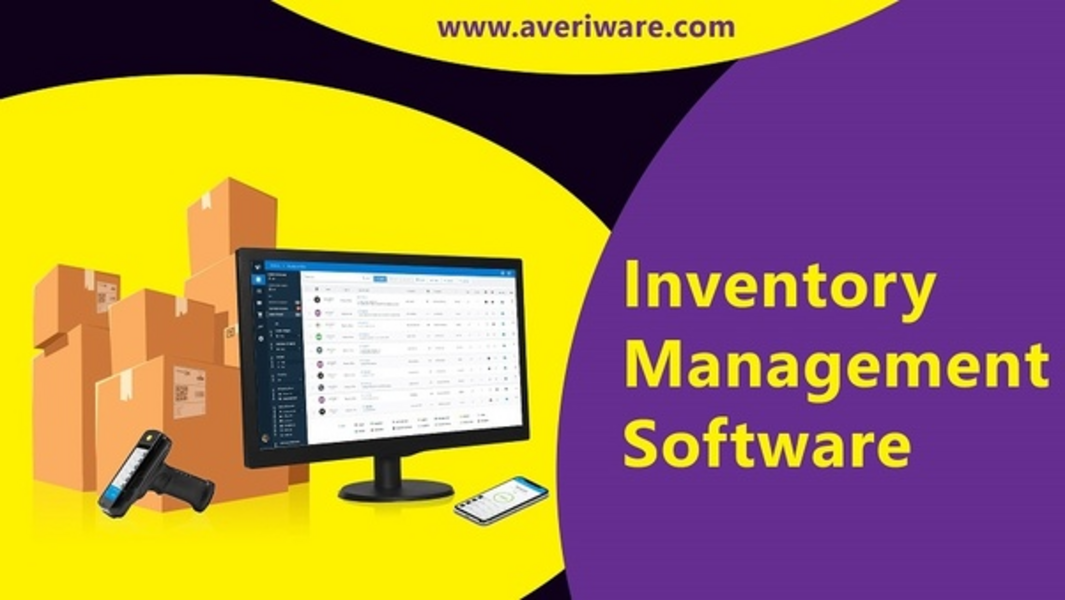
Reduce Inventory Errors with Cloud-Based Inventory Management Software
Managing inventory accurately is one of the biggest challenges for growing businesses. Too much stock can tie up cash, while low inventory can lead to missed sales and unhappy customers. The best cloud inventory management software helps small businesses track inventory in real time, reduce manual work, and make better purchasing decisions from any location.
Why Cloud Inventory Management MattersMany small businesses still rely on spreadsheets or disconnected systems to manage inventory. As operations grow, these methods become difficult to maintain and can lead to stock errors, delayed orders, and inaccurate inventory counts.
Cloud inventory management software stores inventory data in a centralized system that can be accessed through the internet. Business owners and staff can view inventory levels, monitor stock movement, and update records without being tied to a single office or device.
Real-Time Inventory VisibilityOne of the most important features of cloud inventory management software is real-time inventory tracking. Every inventory transaction is recorded as it happens, giving businesses an accurate view of available stock.
Real-time visibility helps businesses:
- Track inventory across locations
- Monitor stock quantities
- Reduce stock shortages
- Avoid overstocking
- Improve order fulfillment
Having current inventory information allows teams to make faster and more informed decisions.
Better Purchasing and ReplenishmentInventory management is closely connected to purchasing. A cloud-based system helps businesses identify when stock levels are running low and when new orders should be placed.
With access to inventory history and demand trends, businesses can purchase the right products at the right time. This helps control inventory costs and reduces excess stock sitting on shelves.
Improve Order AccuracyAccurate inventory records help improve customer service. When inventory data is updated in real time, sales teams can confirm product availability before processing orders.
This reduces order errors, backorders, and shipping delays. Customers receive products faster, while businesses spend less time correcting inventory mistakes.
Access Inventory from AnywhereAveriware allows business owners and employees to access inventory information from multiple locations. Whether working in the warehouse, office, retail store, or remotely, users can view inventory data through a secure online system.
This flexibility is especially useful for businesses with multiple warehouses, distribution centers, or retail locations.
Inventory Management with AveriwareAveriware provides cloud inventory management software designed to help small and mid-sized businesses maintain better control over inventory operations. The platform supports inventory tracking, purchasing, receiving, stock transfers, order processing, and inventory reporting within one connected system.
By connecting inventory with accounting, sales, purchasing, and other business functions, Averiware helps businesses reduce manual data entry and maintain accurate inventory records across the organization.
ConclusionAveriware helps small businesses gain visibility into inventory levels, improve purchasing decisions, and support accurate order fulfillment. With real-time access to inventory data and connected business processes, companies can manage inventory more efficiently while supporting future growth. Averiware offers a cloud-based solution that helps businesses simplify inventory management and maintain better control over daily operations.
ERP Inventory Management Software for Multi-Site Warehouses
Managing inventory across multiple warehouse locations can become difficult when stock records, product structures, and fulfillment activities are handled separately. An integrated inventory system provides a single view of inventory while supporting the different requirements of each warehouse. ERP inventory software can be used to coordinate stock, purchasing, assembly, and order fulfillment across multiple sites.
Centralized Inventory Visibility Across LocationsInventory may be stored across several warehouses based on customer demand, production needs, or regional distribution. With Averiware, inventory information from multiple locations can be managed through a centralized ERP system. Stock quantities, item movements, and warehouse activity can be viewed without maintaining separate records for each site.
This structure gives inventory teams a clearer view of available products and components when planning transfers, replenishment, or customer orders.
Support for Complex Product StructuresSome businesses manage products made from many components, subassemblies, and materials. These requirements can make inventory planning more complicated across multiple warehouses.
Averiware supports Bill of Materials (BOM) management for complex product structures. Different inventory types can be associated with assemblies and kits, while component requirements can be tracked as part of the product structure. This helps warehouse and production teams work from consistent inventory information.
Item-Level Traceability for Critical ComponentsHigh-value, regulated, or long-lead-time components may require detailed tracking throughout their lifecycle. Cloud ERP inventory software can provide item-level visibility from receiving through storage, picking, and shipment.
Averiware supports serialized inventory tracking, allowing businesses to maintain records for individual items. This can be useful when specific components need to be identified during fulfillment, returns, audits, or service activities.
Reorder Points and Safety StockInventory shortages can affect fulfillment schedules, while excessive stock can tie up working capital. Reorder points and safety stock levels can be configured for items based on their usage and replenishment needs.
For bulk materials and frequently replenished products, these settings provide inventory teams with defined points for purchasing or replenishment decisions.
Kitting, Assembly, and DisassemblyMulti-site operations may require products to be assembled or kits to be prepared at specific warehouse locations. Averiware supports controlled kitting, assembly, and disassembly processes.
Cost roll-up calculations can also be supported through BOM structures, giving teams a more consistent way to manage component and finished-product costs.
Integrated Order FulfillmentWarehouse operations are closely connected to order processing. Picklists can be generated based on orders, while packing list processing can support shipment preparation.
By connecting inventory and fulfillment activities within one ERP environment, warehouse teams can work from shared information across locations.
Managing Multi-Site Warehouse OperationsA centralized approach can make multi-site inventory management easier to coordinate. Averiware combines inventory visibility, BOM management, serialized tracking, safety stock settings, kitting, and fulfillment support in one system.
For businesses operating several warehouses, ERP inventory management software provides a structured way to manage products and components while supporting day-to-day warehouse operations.
